
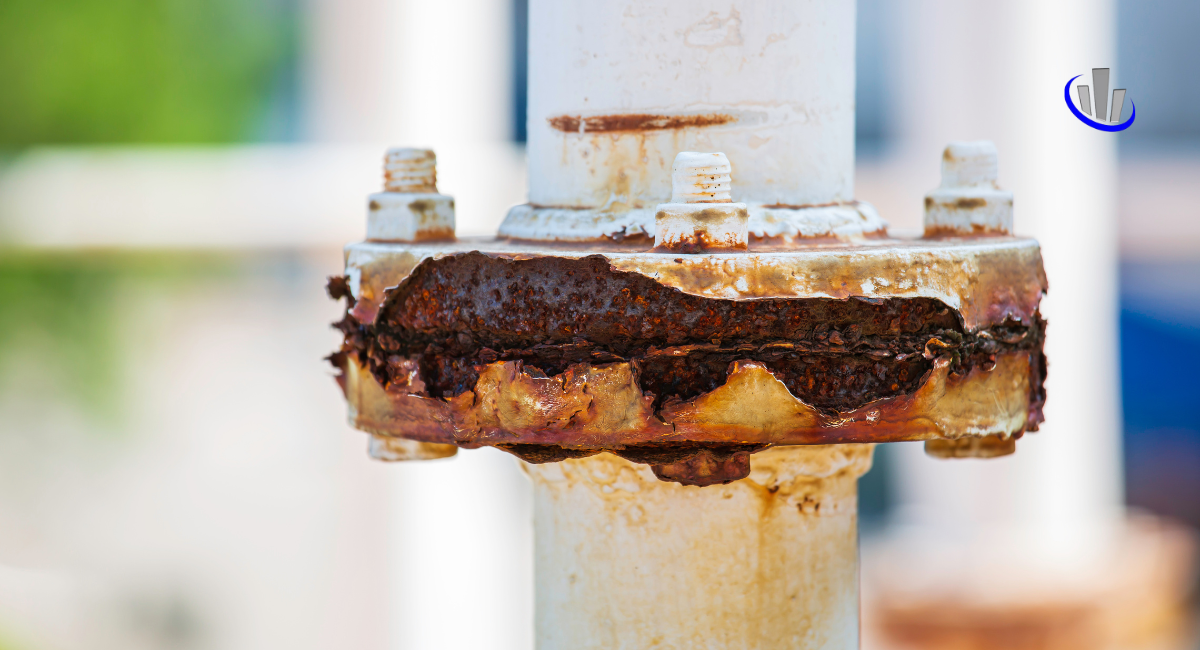
If you are building near the coast in Barbados, the sea is part of the appeal. It also forms part of the construction environment.
Salt carried in the air can reach buildings well beyond the shoreline. It can affect metalwork, concrete reinforcement, fixings, paint, windows and external finishes. The impact increases with exposure, wind direction, distance from the sea and the level of protection provided by the building.
This does not mean coastal homes are difficult to build.
It means they require the right materials, construction methods and maintenance plan from the beginning.
In this sixth article in our Building Better in Barbados series, we explain what salt air can do to a property and what you should discuss with your architect, engineers and construction team before work starts.
You will learn:
- Why salt air causes corrosion
- Which parts of a building need particular attention
- Why concrete quality matters
- How coastal conditions affect windows and metalwork
- What material choices can improve durability
- Why construction quality matters as much as product selection
- What first-time property owners should ask before building
At Berkan Construction Services, we understand that building in Barbados requires more than following a set of drawings.
The construction team must understand how the local environment affects those plans. That knowledge matters most when building close to the sea.
Why Is Salt Air a Problem for Buildings?
Sea water contains salts, including chlorides. Waves, wind and evaporation can carry tiny salt particles into the air. Wind can then deposit those particles on buildings and other surfaces.
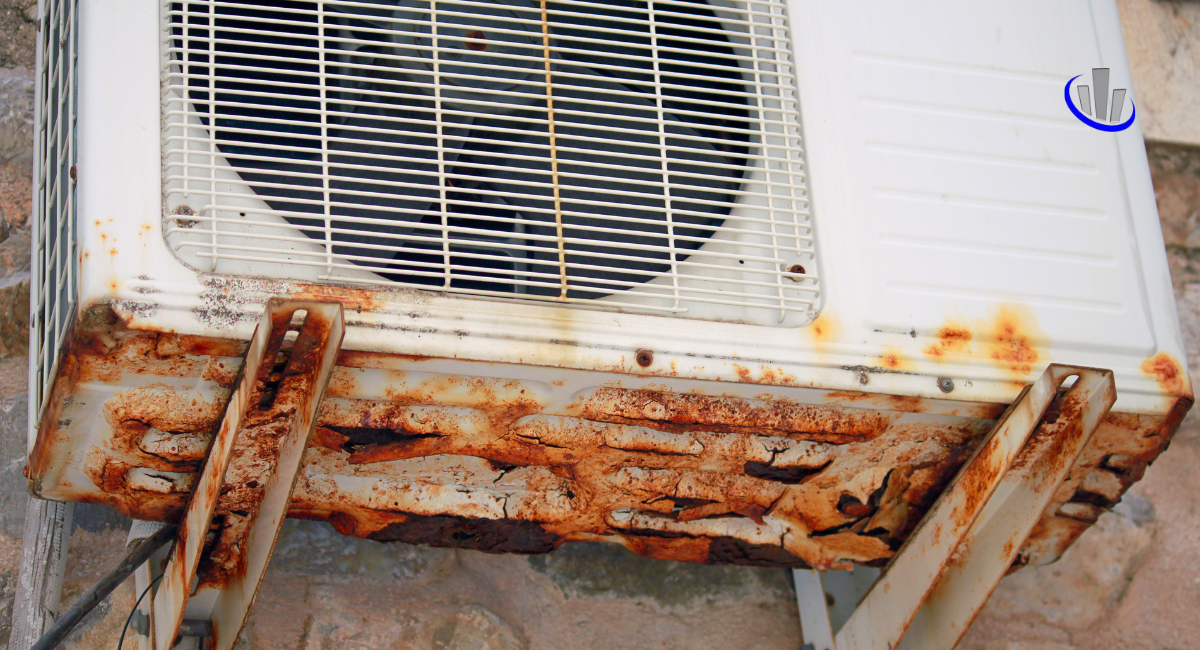
The effect may seem minor at first. Over time, repeated exposure can accelerate corrosion in susceptible metals.
Reinforced concrete needs particular attention.
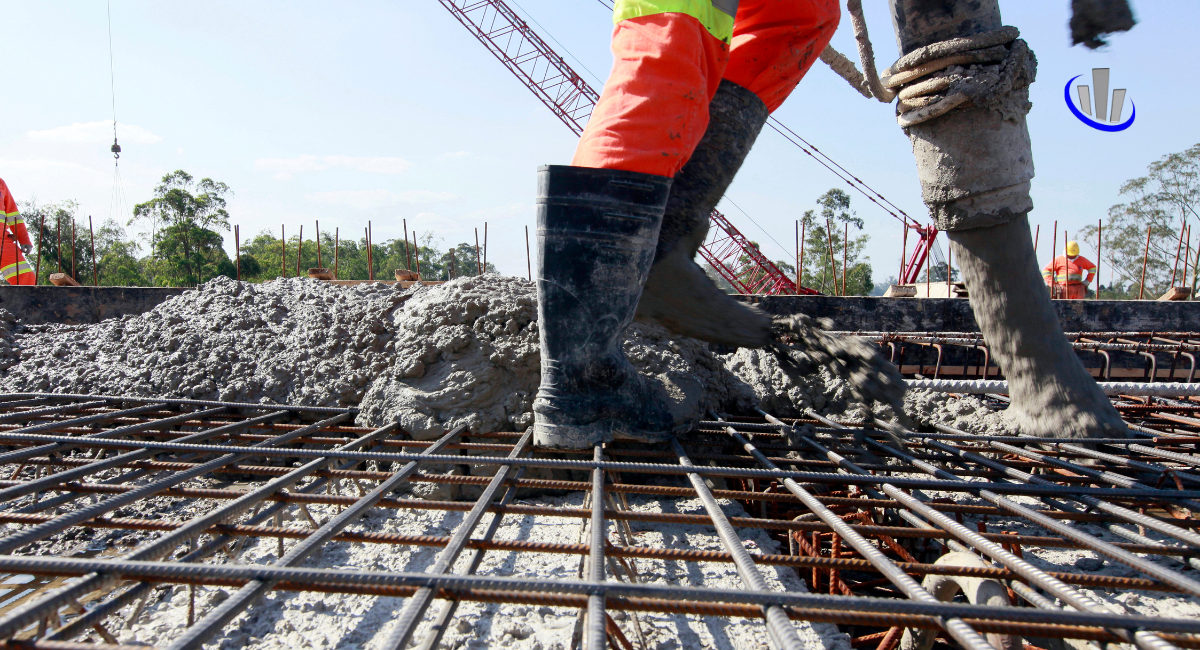
Concrete protects the steel reinforcement inside it. Chlorides can penetrate concrete and eventually reach the reinforcement. Once corrosion starts, the expanding steel can create pressure within the concrete. That pressure can lead to cracking and spalling.
The Concrete Centre recognises airborne salt from seawater as a specific exposure condition for reinforced concrete. Its guidance classifies structures exposed to airborne salt under the XS exposure categories. (concretecentre.com)
This provides an important lesson for anyone building near the coast.
Coastal exposure should influence construction specifications from the beginning.
1 Concrete Needs the Right Specification
Concrete does more than create floors, columns and structural elements. It also protects the reinforcement inside those elements.
That protection depends on factors including the concrete specification, cover to reinforcement, workmanship and curing.
Coastal exposure can require more demanding durability considerations.
Current British guidance, for example, specifically addresses chloride exposure from seawater through the XS exposure classes. (concretecentre.com)
Your structural engineer should determine the appropriate specification for the project. The construction team must then build it correctly.
That distinction matters. A good specification cannot compensate for poor workmanship.
2 Reinforcement Needs Protection
Steel reinforcement provides structural strength within reinforced concrete. Salt-related corrosion can compromise that protection when chlorides reach the steel.
The resulting corrosion can cause the steel to expand. That expansion can damage surrounding concrete.
Good construction therefore requires careful attention to reinforcement placement, concrete cover, concrete quality and workmanship.
The project’s structural engineer should specify the exact requirements.
At Berkan, we construct according to the approved structural and architectural plans. Our role includes making sure those details translate correctly from drawings to the physical building.
3 Metalwork Needs Careful Selection
Coastal exposure affects much more than structural reinforcement.
Think about everything outside your home that contains metal. You might have:
- Balustrades
- Gates
- Railings
- Door hardware
- Window frames
- Outdoor kitchens
- Pool equipment
- Fixings
- External lighting
- Air-conditioning components
Some metals resist corrosion better than others.
The correct specification depends on the location, exposure and product. Stainless steel, galvanised components and suitable protective coatings can all have roles in coastal construction.
The important point is simple.
Do not choose external metalwork based on appearance alone.
Ask how the product will perform in Barbados’ coastal environment.
4 Windows Face More Than the View
Large areas of glass are a key feature in contemporary Caribbean homes. They connect indoor spaces with terraces, gardens and the sea. They also create another area where material selection matters.
Frames, fixings, seals and hardware all need to cope with the local environment.
The specification should also consider heat, wind exposure, water penetration and maintenance.
Your architect and relevant consultants can establish the appropriate window system for the property. The construction team then needs to install it correctly.
Even a high-quality product can perform poorly if installers do not follow the manufacturer’s requirements.
5 External Finishes Need to Handle the Environment
Paint looks simple. It is not. Exterior coatings face sunlight, rainfall, humidity and salt exposure.
The same applies to sealants, renders, coatings and other external finishes.
A product that performs well in a cooler inland environment may require different consideration beside the sea.
This is one reason local experience matters. At Berkan, we understand that product selection cannot happen in isolation.
We consider the location, application and construction details alongside the project specifications.
6 Balconies and Terraces Deserve Attention
Coastal homes often feature generous outdoor spaces. Balconies, terraces and covered areas create some of the best spaces in a Caribbean home.
They also receive significant exposure.
Water can collect on horizontal surfaces if falls are incorrect. Salt deposits can accumulate on exposed surfaces. Poor detailing can then create opportunities for moisture to reach vulnerable components.
Good construction controls these risks through correct falls, drainage, waterproofing and detailing.
The goal is not to stop the coastal environment. That would be impossible. The goal is to build in a way that manages it.
7 Pools Create Another Coastal Environment
A coastal property may already face salt exposure. A swimming pool adds another source of moisture and chemicals.
Pool surrounds, metal fittings, plant rooms, drainage and external finishes all need appropriate specifications.
Pool equipment also needs suitable protection and maintenance.
Your construction team should coordinate these requirements with the relevant specialists. This prevents the pool from becoming an isolated element within the wider building project.
8 Salt Air Does Not Stop at the Beach
You do not need to build directly beside the water to experience coastal exposure. Wind can carry airborne salt inland. Exposure levels vary considerably between sites.
The Concrete Centre notes that even structures further from the coast can require consideration for airborne salt exposure, depending on conditions. (concretecentre.com)
That means distance from the sea provides useful context. It does not provide a universal rule. Your project team should assess the actual site.
9 Construction Quality Makes a Difference
You can specify excellent materials, appoint experienced architects and engineers, and you can still create problems through poor construction.
Small details matter.
- Incorrect concrete cover can reduce protection.
- Poorly sealed joints can allow water penetration.
- Incorrect drainage can leave surfaces wet for longer.
- Damaged protective coatings can expose metal.
- Poor installation can undermine otherwise good products.
This explains why professional site management matters.
The construction team needs to check work as it progresses rather than waiting until the end.
10 Maintenance Still Matters
Good construction reduces risk. It does not eliminate maintenance. Coastal properties should receive regular inspections.
Owners should check:
- External metalwork
- Paint and coatings
- Sealants
- Concrete surfaces
- Balustrades
- Window hardware
- Drainage
- Roof areas
- Pool equipment
Early maintenance can prevent small issues from becoming expensive repairs. This becomes even more important for overseas owners who may not visit the property every month.
A property management or maintenance plan can help keep the building in good condition.
What Should You Ask Before Building Near the Coast?
If you are buying land or preparing to build a coastal property in Barbados, ask these questions early:
- How exposed is the site to airborne salt?
- Does the structural specification address the site’s exposure?
- What protection will the reinforcement receive?
- Which metals are suitable for external use?
- Are the windows and fixings appropriate for coastal conditions?
- Which exterior coatings and sealants will the project use?
- How will balconies and terraces manage rainwater?
- How will the building protect vulnerable external components?
- What maintenance will the finished property require?
- Who will check the quality of the work during construction?
These questions can lead to better decisions before construction begins.
Building for Barbados, Not Somewhere Else
A coastal property should take advantage of its location. You should be able to enjoy the sea without constantly worrying about what the sea is doing to your home.
That requires the right combination of design, engineering, materials, workmanship and maintenance.
At Berkan Construction Services, we do not design homes. We work with architects, engineers and consultants to bring their approved designs to life.
Our experience in Barbados and the Caribbean helps us understand the environment’s practical challenges.
We apply disciplined project management and European construction standards while respecting the realities of building in a tropical climate. That combination matters.
Planning a coastal property in Barbados? Contact Berkan Construction Services before you start construction. Don’t leave your build to chance.
Frequently Asked Questions
Does salt air damage houses in Barbados?
Salt air can accelerate corrosion in susceptible metals and affect some external materials. Exposure varies by location and site conditions.
How far from the sea can salt air affect a building?
No single distance applies to every property. Wind, terrain and local exposure all influence conditions.
Can salt air cause concrete to deteriorate?
Chlorides from airborne salt can penetrate concrete and reach reinforcement. Corrosion can then damage the surrounding concrete if the structure lacks suitable protection.
Are coastal homes more expensive to build?
Coastal exposure can increase material and construction requirements. Those costs should form part of the budget from the planning stage.
What materials work best near the sea?
The appropriate materials depend on the application and exposure. Your architect and engineers should specify products suitable for the property’s conditions.
Does Berkan design coastal homes?
No. Berkan Construction works from approved architectural and engineering designs. We construct and project manage the building process.
What makes Berkan suitable for coastal construction?
We combine Caribbean construction experience with a structured project management approach and European construction standards.
About Building Better in Barbados
Building Better in Barbados is an educational series from Berkan Construction Services. We share practical advice and technical insights for anyone planning to build a luxury home or commercial property in Barbados. Our guides explore every stage of the construction journey, helping you make informed decisions and protect your investment.
Planning a project? Contact Berkan Construction Services today to discuss your build with an experienced team that understands island engineering from the ground up.