
Building a property in Barbados can be a rewarding investment, but the process requires careful planning. First-time clients often focus on the visible decisions — the number of bedrooms, kitchen finishes, pool design, tiles and outdoor spaces. Those choices matter, but some of the most expensive problems develop much earlier in the process.
A poorly assessed site can affect foundations. A late material decision can disrupt the construction programme. A change made halfway through the build can affect several trades and significantly increase costs.
These problems rarely come from one dramatic mistake. They develop through a series of small decisions made without considering their wider impact. An unchecked site leads to uncoordinated plans, which leads to material delays, which leads to budget overruns. The solution at every stage is proactive project management.
That is why choosing an experienced construction company matters.
At Berkan Construction Services, we construct and project manage approved architectural and engineering designs. We work alongside architects, engineers, consultants, suppliers and specialist contractors to manage the construction process. Our experience of building in Barbados — combined with European construction standards — helps us identify potential issues early and plan around them.
In this article, we examine ten common construction mistakes that affect projects in Barbados. We explain why they happen, what they cost in time and money, and how a professional construction team helps reduce the risk.

1. Underestimating Site Conditions
The land you buy will strongly influence the cost and complexity of construction.
Two adjacent properties with similar dimensions can require very different approaches. Never assume neighbouring plots share identical ground conditions. Topography, soil stability, drainage patterns and exposure all vary significantly across Barbados.
Coastal plots in areas like St. James typically feature sandy soils with high salt exposure, often requiring shallow footings and marine-grade metals. Inland sites in parishes like St. Joseph can present steep slopes and reactive clay, demanding deep piling and retaining wall systems. Ridge properties built on limestone may offer high load-bearing capacity but require different foundation techniques entirely.
Slope, access, drainage, ground conditions and existing vegetation can all affect the work required before construction begins. Some inland sites present challenging gradients. Coastal properties require additional consideration because of exposure to salt air and prevailing weather.
A proper site assessment helps the project team understand these conditions before construction starts. Your early investigations should include topographical surveys, geotechnical investigations, drainage assessments, access assessments, utility checks and site measurements.
Spending money on proper investigations early prevents much higher costs later. Soil testing determines foundation design, and ground conditions dictate structural costs far more than visible terrain suggests.
2. Starting Construction Before the Plans Are Ready
Construction moves quickly once site excavation begins. That makes it tempting to start on site while some decisions remain unresolved. This approach creates problems.
Contractors need clear information to price and construct the project properly. Structural details, specifications and service requirements all influence the work. Incomplete engineering specifications force workers to pause or redo finished structures.
The consequences are predictable. Unresolved plumbing routes delay concrete slab pours. Missing window specifications stall wall masonry work. Uncoordinated electrical layouts force late wall chasing that damages completed surfaces.
If important information arrives after work has started, the team may need to change completed work or delay another activity. Both outcomes cost money and time.
Before construction begins, make sure your project team has coordinated the relevant drawings, approvals and specifications. A clear starting point gives everyone a stronger foundation for the build.
3. Treating the Initial Budget as the Final Number
Clients naturally want to know how much their home will cost.
The challenge comes when an early estimate is treated as a fixed figure. Construction budgets change as the project develops. Material selections, site conditions, design changes, imported products and specialist requirements can all affect costs.
Barbados construction costs fluctuate with imported material prices, logistics, site access, and design updates. A realistic budget must account for these variables.
Your budget should include realistic allowances and contingencies across all project elements: construction costs, professional fees, approvals, site preparation, imported materials, shipping and logistics, specialist installations, landscaping, external works, appliances, fittings, and a contingency fund of 10 to 15 per cent for unforeseen site challenges.
Discuss these items with your project team early. A professional construction company should help you understand where your money goes and flag potential cost pressures before they become surprises.
4. Choosing Materials Without Considering the Climate
Barbados has a tropical maritime climate. Heat, humidity, intense UV radiation, heavy rainfall and coastal salt exposure all affect building materials.
A product that performs well in a temperate European or North American climate may fail quickly here. Standard exterior steel hardware, for example, rusts rapidly in coastal salt air. Untreated timber exterior doors warp under persistent tropical humidity. Conventional exterior paints can blister and peel within months under intense UV exposure.
Material selection should consider both appearance and long-term performance in these conditions. Marine-grade 316 stainless steel, non-porous concrete, UV-resistant exterior coatings and properly treated joinery all perform significantly better in the Barbados environment.
This applies to sealants, metalwork, windows, external paints, waterproofing systems and other finishes that face direct weather exposure.
Berkan brings practical Caribbean experience to this process. We construct the approved specification and raise practical concerns with the relevant professionals when material choices require further consideration for the local climate.
5. Leaving Imported Materials Until the Last Minute
Many high-end Barbados properties rely heavily on imported fixtures and finishes. These include custom glazing, stone tiles, sanitary ware, lighting, kitchen cabinetry, doors, windows and specialist fittings.
International shipping takes time. Customs clearance at Bridgetown Port takes further time. Lead times for specialist items can stretch to several months.
If a critical item arrives after the construction team needs it, the programme suffers. Workers may stand idle or move to other tasks out of sequence, creating coordination problems that ripple through the project.
Good procurement planning identifies long-lead items early. Your construction team should coordinate ordering with the construction programme so that materials arrive when the site is ready for them.
This approach also helps you understand when decisions need to be made, giving you time to consider options rather than making rushed choices under programme pressure.
6. Making Too Many Changes During Construction
Changing your mind during a build is normal. Making changes after construction has already reached a particular stage creates wider consequences that many first-time builders do not anticipate.
Design changes mid-construction trigger structural and logistical chain reactions. Moving a bathroom fixture affects plumbing runs. Moving an interior wall affects floor tiling, ceiling framing and electrical systems. Changing a window size affects lintel engineering, structural loads, waterproofing and external finishes.
Before approving any change, evaluate three factors: the trade rework cost, the number of days it will add to the programme, and whether it requires revised engineering drawings or approvals.
A good project manager helps you understand these consequences before you commit. The most effective approach is to finalise key decisions early and treat construction changes as exceptions rather than routine.
7. Underestimating Drainage Requirements
Rainfall can be intense in Barbados, particularly during the wet season between June and November. Barbados receives an average of around 1,525 mm (60 inches) of rainfall annually, and tropical downpours can dump immense volumes of water across a site within minutes.
Without proper drainage planning, surface runoff can damage foundations and flood lower-level spaces. Sloping properties face particular challenges, including hydrostatic pressure against buried retaining walls during wet periods.
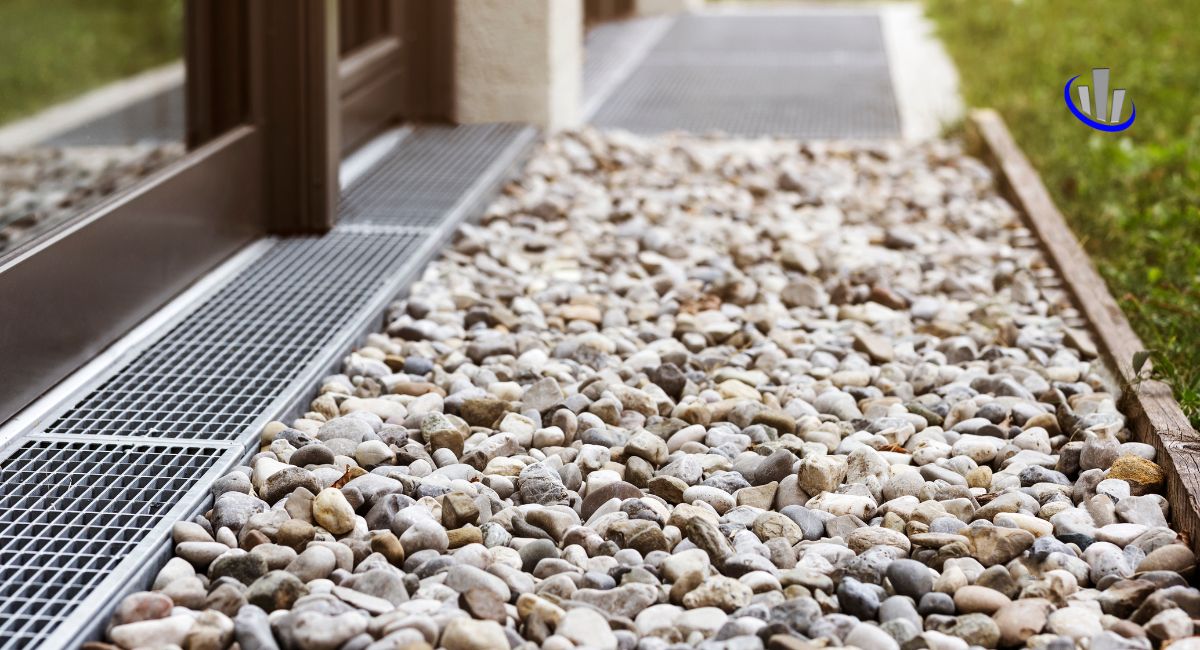
Drainage may involve surface channels, interceptor drains, French drains, catch basins, perimeter swales, weep holes, downpipe connections, and other solutions, depending on site conditions.
The correct approach comes from the project’s design and engineering requirements. Drainage also needs coordination with foundations, retaining walls, landscaping and external paving.
Leaving drainage decisions until the end of a project can create problems that are expensive to fix. Install drainage infrastructure early in the civil engineering phase, not as an afterthought during landscaping.
8. Prioritising Surface Finishes Over Construction Details
Beautiful finishes attract attention. The details behind them often determine how well they perform and how long they last.
Bathrooms need appropriate waterproofing membranes before tiles go down — without them, water finds its way through and causes damage that is invisible until it becomes serious. Balconies need suitable concrete falls and drainage slopes. External surfaces need materials and coatings that suit the tropical environment. High-end paint peels if applied over plaster that has not cured properly or if moisture remains trapped behind it.
These elements disappear beneath finished surfaces. That makes quality control during construction especially important.
The construction team needs to complete and check each stage before covering it with the next layer of work. Prioritising structural precision and subsurface preparation over surface decoration protects your investment for the long term.
9. Poor Communication Between Project Professionals
A residential construction project in Barbados can involve many people: an architect overseeing design, engineers handling structural and technical requirements, quantity surveyors managing costs, specialist contractors installing specific systems, and suppliers providing materials.
The construction company coordinates much of the physical work. If these parties do not communicate properly, problems develop on site.
A service route may conflict with a structural element. An air conditioning duct route might clash with a major steel support beam. A finish may require substrate preparation that another trade has not completed correctly.
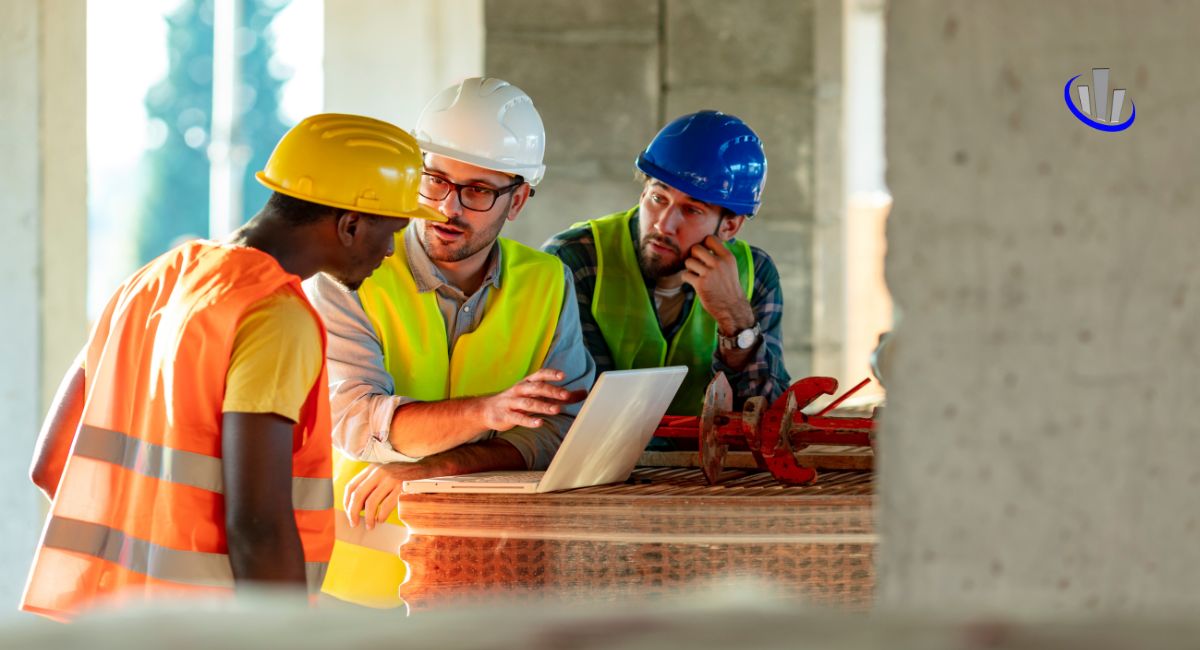
Regular communication and coordinated information help identify these issues before they become expensive site conflicts. Weekly coordination meetings between the construction team and the full professional team, supported by regular progress reporting, keep everyone aligned on technical progress and programme status.

10. Choosing a Contractor Based Only on Price
Price matters. It should not be the only factor.
A construction quote reflects materials, labour, supervision, project management, quality controls, procurement capability and many other elements. Two contractors can provide different prices because they have allowed for different things.
An unusually low bid often indicates missing scope items, inferior material allowances, or minimal site supervision. Some contractors quote low to secure the contract, then issue expensive variation orders once work begins.
When comparing proposals, look beyond the final number. Consider relevant experience, previous projects in Barbados, project management structure, quality control processes, communication practices, procurement capability, subcontractor management, contract terms, programme management, and whether material specifications are detailed down to metal grades and coating types.
Ask what the price includes. Ask what it excludes. Make sure you are comparing like with like.
Contractor Evaluation Checklist
☐ Does the quote include site clearance, utilities and waste removal?
☐ Are material specifications detailed and climate-appropriate?
☐ Does the team provide regular progress reports?
☐ Is there a clear written protocol for managing scope changes?
☐ Does the contractor have verified experience building in Barbados?
What Can First-Time Builders Do to Reduce Risk?
You do not need to become a construction expert before building a home in Barbados. You do need the right questions and the right professional team.
Before construction starts, take these steps: investigate the site properly with professional surveys, finalise the relevant drawings and specifications, establish a realistic budget with appropriate contingencies, identify long-lead imported materials and begin procurement early, understand the construction programme and its critical path, discuss climate-specific material choices with your professional team, establish how changes will be handled and priced, agree on communication and reporting protocols, understand what your contractor will manage and what falls outside their scope, and keep a contingency of 10 to 15 per cent within your budget.
These steps give you greater control over the project and reduce the chance of expensive surprises.
Why Experience Matters When Building in Barbados
Construction experience has value because every site teaches you something.
You learn how materials behave in the tropical climate. You learn where delays develop in the local supply chain. You learn how ground conditions vary across the island’s parishes. You learn which details require particular attention during construction and which shortcuts lead to problems within a few years.
Berkan Construction Services combines this Caribbean experience with a structured approach to project management and European construction standards.
We do not design homes. We work with architects and engineers to construct approved designs and manage the many moving parts involved in delivering them. Our role is to make the construction process organised, transparent and properly managed from site preparation to final handover.
Planning a property in Barbados? Contact Berkan Construction Services before you break ground. Do not leave your build to chance.
About Building Better in Barbados
Building Better in Barbados is an educational series from Berkan Construction Services. We share practical advice and technical insights for anyone planning to build a luxury home or commercial property in Barbados. Our articles explore every stage of the building process, helping you protect your real estate investment.
Planning a build? Contact Berkan Construction Services today to discuss your architectural plans with an experienced island team.
Frequently Asked Questions
Q: What is the biggest mistake people make when building in Barbados?
Underestimating the planning required before construction begins is consistently the most costly mistake. Failing to test soil conditions, verify site access, coordinate drawings and establish a realistic budget leads to problems that compound once construction starts. The foundation and site preparation stages of a project set the tone for everything that follows. Getting them right requires time, professional input and proper investigation — not assumptions based on how the land looks from the road.
Q: Can construction costs in Barbados change after work begins?
Yes. Construction costs can change for several reasons. Unforeseen ground conditions discovered during excavation, shifts in imported material prices, late design changes requested by the client, and updated engineering requirements can all affect the final project cost. This is why a realistic budget should include a contingency of 10 to 15 per cent. A professional construction team keeps you informed of cost movements throughout the build rather than presenting surprises at the end.
Q: Why do imported materials cause construction delays in Barbados?
High-end Barbados properties often rely on internationally sourced fixtures and finishes. These items must clear international shipping and customs at Bridgetown Port. Lead times for specialist products can stretch to several months, and overseas suppliers don’t always guarantee availability. Without early procurement planning that coordinates ordering with the construction programme, critical materials arrive after the site crew needs them. The result is idle time, out-of-sequence work, and additional costs that could have been avoided.